
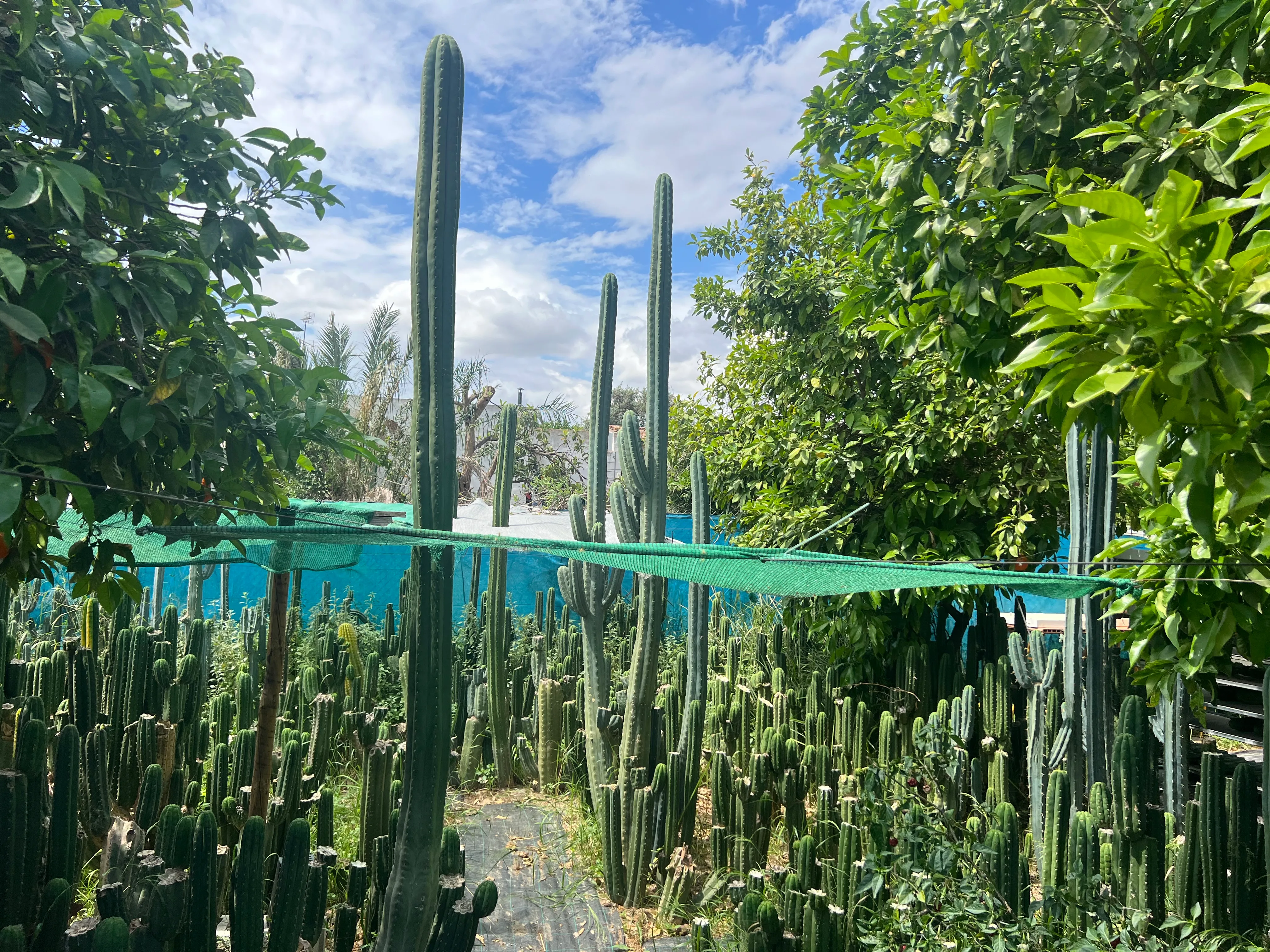
Trichocereus in Cold Climates: Strategies to Survive Frosts
Trichocereus in Cold Climates: Strategies to Survive Frost
At TRICHOLAND, we understand how essential it is to provide optimal conditions for cultivating Trichocereus cacti, especially in cold climates where frost can pose a significant challenge. This article explores effective strategies to ensure the survival of Trichocereus in these environments, focusing on natural adaptations and advanced management techniques.
Natural Adaptations of Trichocereus for Cold Climates
Trichocereus, like other cacti, has developed unique features to cope with adverse conditions, including extreme cold. Although they are known to thrive in arid climates, they have developed several adaptations to withstand temporary cold spells:
Water storage: The thick, waxy stems of Trichocereus allow efficient water storage, helping the plant survive during dry periods.
Protective spines: The spines not only provide defense against herbivores but also offer slight shade, reducing transpiration and protecting the tissue from thermal shocks.
Management Techniques for Trichocereus Survival in Frost
To maximize the cold tolerance of Trichocereus, carefully considered agronomic strategies must be implemented:
Site Selection and Soil Preparation for Trichocereus
Location: Choose a garden spot that receives full sun during the day but is protected from strong cold drafts. Sites with a slight slope can help avoid waterlogging in winter.
Soil: A highly draining substrate is essential. Incorporating mineral materials such as pumice or coarse sand improves drainage, vital to prevent rot problems in cold and humid climates.
Watering Management for Trichocereus Cacti in Cold Climates
In cold climates, it is crucial to keep Trichocereus cacti dry. Reduce watering to a minimum during winter and ensure the substrate is completely dry before a significant temperature drop.
Physical Protection Against Frost for Trichocereus
Thermal blankets: During the coldest nights, applying breathable horticultural covers can provide sufficient protection against frost.
Microclimates: Use elements like large stones that store heat during the day to release it at night, thus protecting younger or smaller plants.
Nutrition and Fertilization to Improve Cold Resistance
Specialized fertilization: Prepare plants for winter by strengthening their tissues at the end of summer with fertilizers high in potassium (K), which enhance cold resistance.
Conclusion: Successful Cultivation of Trichocereus in Cold Climates
Trichocereus cacti, with their natural adaptations and careful management, can withstand moderate frosts and thrive even in climates less hospitable to typical desert species. At TRICHOLAND, we continue refining cultural practices that ensure the health and vigor of these beautiful plants, offering the best advice and specialized products for those wishing to overcome the challenge of growing cacti in cold regions.
For more information and expert advice on adapting Trichocereus and other cactus species to your environment, do not hesitate to contact us. Our TRICHOLAND team is always available to guarantee the success of your gardening.