
Why Producers Prefer Trichocereus for Their Cacti
Why Producers Prefer Trichocereus for Their Cacti
The genus Trichocereus, native to regions of South America such as Bolivia, Chile, Ecuador, and Peru, is highly valued among cactus producers. This preference is due to a combination of factors that blend unique botanical characteristics, ecological benefits, and deep traditional uses, positioning this genus not only as an ornamental option but also as a valuable element in cultures and agricultural practices.
Botanical Properties of Trichocereus
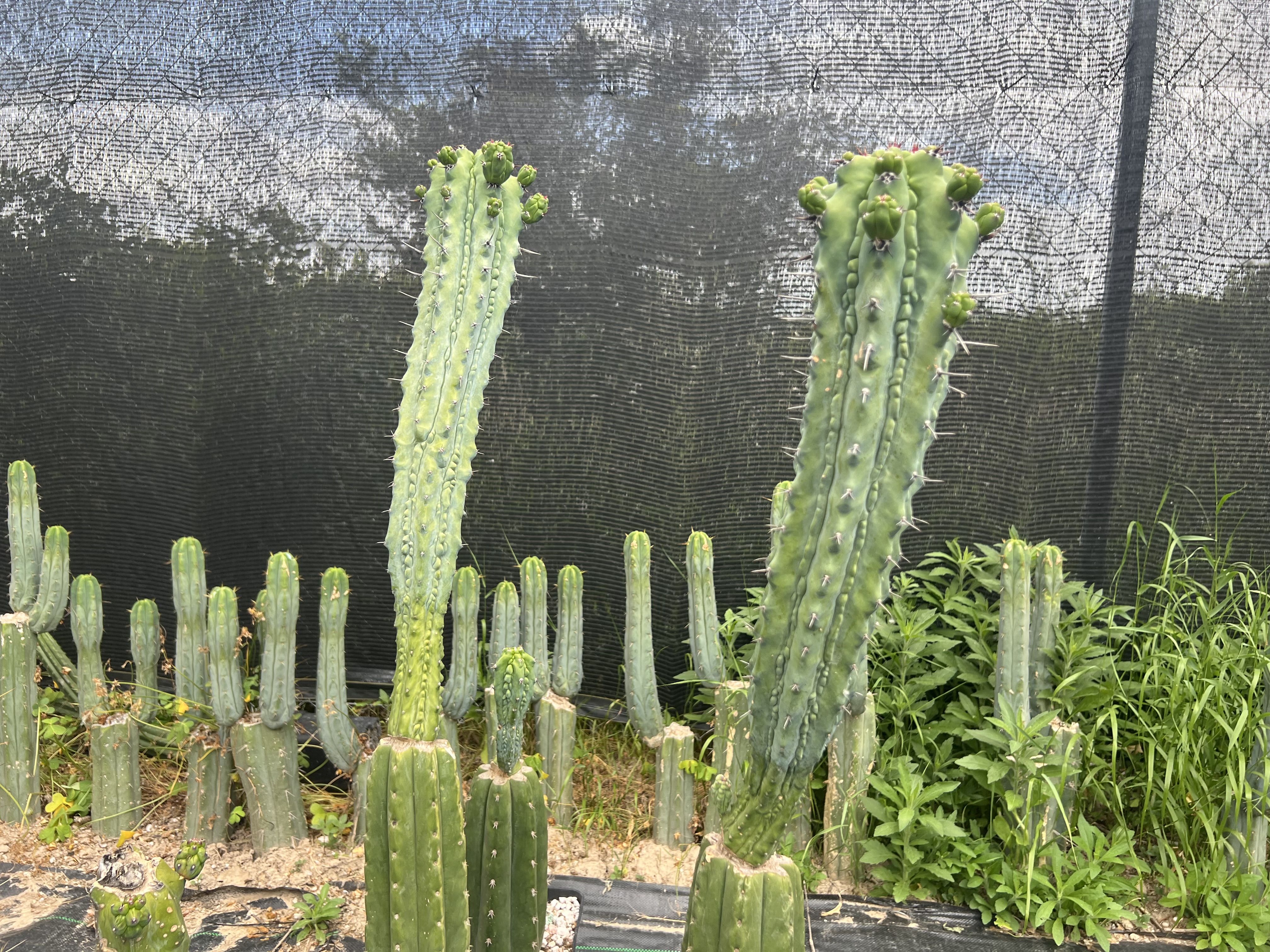
Trichocereus cacti are especially known for their rapid growth and robust physical characteristics. A notable specimen, Trichocereus macrogonus var. pachanoi, commonly known as San Pedro, can reach heights of up to 6 meters, with stems varying in shades from light green to dark green. These plants have spines that can vary in number and length, and their large white flowers bloom at night, emitting fragrances that enrich the environment.
This diversity in physical characteristics allows producers to choose specific varieties for different needs, adapting them to various types of gardens and agricultural settings.
Ecological Benefits and Impacts of Trichocereus
Ecologically, Trichocereus cacti contribute significantly to soil improvement. Through the accumulation of organic matter, they help maintain soil fertility, promoting the health of the ecosystem in which they are integrated. This aspect is crucial in areas where soil conservation is an increasing concern due to erosion and land degradation.
Additionally, Trichocereus act as carbon sinks, which is valuable in mitigating climate change. Their ability to thrive in poor soils and extreme conditions makes them ideal for sustainable agricultural practices, where reducing inputs is an environmentally friendly approach.
Traditional and Cultural Uses of Trichocereus
The popularity of Trichocereus is not recent. Its use dates back more than 3,000 years, especially in the Andean region, where it has been attributed a sacred role. San Pedro, for example, has been a fundamental element in healing and divination rituals. The belief that this cactus offers the ability to reach elevated states of consciousness is part of its cultural heritage, still alive among various indigenous groups who consider its use as cultural heritage, as recognized by the Ministry of Culture of Peru in 2022.
Final Considerations on Cultivating Trichocereus
The combination of its robustness, ease of cultivation, and cultural depth makes the genus Trichocereus a preferred choice among producers and cactus enthusiasts. Whether as part of an ornamental garden, in sustainable cultivation practices, or as a culturally important element, Trichocereus offers value that goes beyond its appearance, becoming a bridge between tradition and sustainability.
For those interested in cactus cultivation, selecting Trichocereus not only adds beauty and diversity but also connects growers with a rich historical and cultural tradition, as well as invaluable contributions to the ecosystem.